



Madagascar
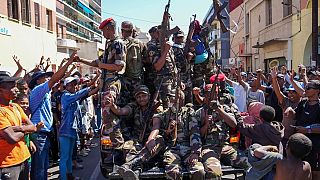
For a third consecutive week, Madagascar’s capital was rocked by violent clashes as roughly 1,000 demonstrators, largely masked and mobilizing under the "Gen Z Madagascar" banner, confronted police who used tear gas and stun grenades to disperse crowds. The sustained unrest marks the most significant challenge to the government in years.
The protests were initially sparked by widespread water and electricity shortages but have rapidly expanded into a broader movement against alleged government corruption and nepotism.
Despite the escalating crisis, which the UN reports has left 22 dead, protesters have rejected dialogue, underscoring their deepening distrust of the administration.
A government shakeup fails to quell anger
In a direct response to the pressure, President Andry Rajoelina dismissed his entire cabinet.
However, the move has failed to pacify the youth-led movement, which is now unequivocally demanding the president's own resignation.
Their refusal to attend talks with him on Wednesday signals a hardened stance and a clear rejection of symbolic concessions.
A Nation’s history of turmoil resonates
The protests draw inspiration from successful youth-led uprisings in Nepal and Sri Lanka, gaining momentum online and adopting symbols like the pirate skull seen globally.
This new wave of activism unfolds in a nation with a history of political upheaval, where extreme poverty affects 80% of the population, creating a fertile ground for demands for systemic change.


01:44
Somalis protest Israel’s recognition of Somaliland, vow national unity
01:04
Protests in Portland after federal agents shoot two during ICE operation
01:00
French farmers protest EU Mercosur deal with tractors in Paris
01:22
Nigerian youth enter 2026 with hopes of prosperity and stability
Go to video
Cameroon post-election unrest: Protesters jailed, others freed
Go to video
Tanzania blocks independence day protests, calls them a ‘coup’